
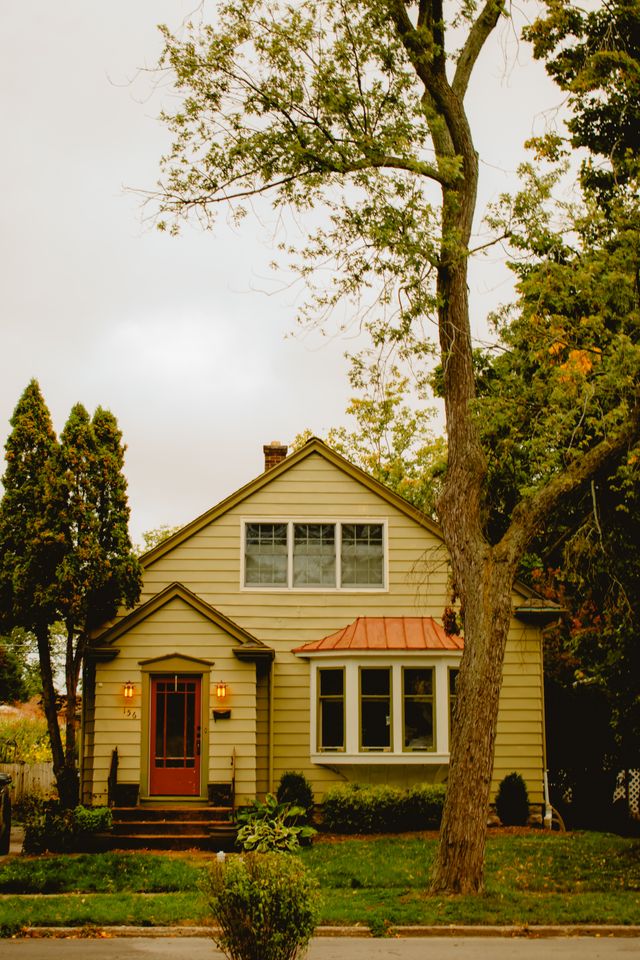
An older house is not automatically a troubled house. In fact, some homes that have been standing for decades can be remarkably solid, well-maintained, and full of character. A neglected house, however, can have serious problems regardless of its age. The important difference is not the number of years the house has been standing—it is how well it has been cared for.
Age Tells Only Part of the Story
An old house may have outdated materials, original plumbing, older electrical components, or windows that no longer meet modern standards. Those conditions can deserve attention, but they do not necessarily mean the home has been neglected.
Regular maintenance makes a significant difference. A roof replaced when needed, properly maintained gutters, fresh exterior coatings, functioning drainage, and timely repairs can help an older home remain in good condition for many years.
Some older construction methods may also look unusual compared with today’s building practices. That does not automatically make them defective. The real question is whether the components are performing properly and whether there are signs of deterioration.
Neglect Leaves Clues
Neglected homes tend to tell a different story. Their problems often appear as a pattern rather than a single outdated feature.
Look for peeling or blistered paint, damaged roofing, overflowing or disconnected gutters, wood decay, overgrown vegetation against the structure, moisture staining, deteriorated caulking, and drainage problems. Inside, neglected conditions may include persistent musty odors, stained ceilings, damaged flooring, loose fixtures, nonfunctional systems, or evidence of long-term water intrusion.
One overlooked issue can also lead to another. For example, clogged gutters may contribute to water collecting near the foundation. Poor drainage can then increase moisture around the basement or crawl space. What began as a maintenance issue can eventually become a much more expensive repair.
What Matters Most During an Inspection
When evaluating an older home, focus less on its appearance and more on condition, performance, and evidence of maintenance.
A thorough inspection should consider the roof, structure, exterior, drainage, foundation, electrical system, plumbing, heating and cooling equipment, insulation, ventilation, and other accessible components. Age is useful information because certain materials and systems have predictable life expectancies, but age alone does not determine condition.
A 90-year-old home with a history of consistent maintenance may present fewer immediate concerns than a 25-year-old property that has been ignored for years.
The Bottom Line
Old does not mean neglected, and neglected does not always mean old. The difference is usually visible in the home’s maintenance history and current condition.
For buyers, the best approach is neither to fear an older house nor overlook warning signs in a newer one. Look for evidence of care, understand what needs attention, and separate normal aging from deferred maintenance and significant defects.
A well-maintained old house can have plenty of life left in it. A neglected house, of any age, may simply need someone willing to uncover what has been left unattended.