
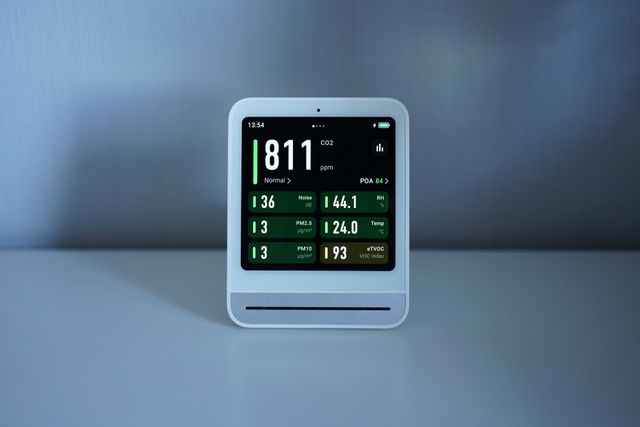
Indoor air quality has become a growing concern for homeowners, and for good reason. Most people spend a significant portion of their time indoors, yet many have little idea what is actually circulating through the air inside their homes. As awareness increases, so does interest in home air quality sensors. The question is simple: are these devices a smart investment, or just another gadget collecting dust on a shelf?
What Air Quality Sensors Actually Measure
Modern air quality monitors can track a variety of conditions, including particulate matter, volatile organic compounds (VOCs), carbon dioxide levels, humidity, and temperature. Some advanced models even monitor radon or provide real-time alerts through smartphone apps.
The goal is not just to collect data but to identify trends that may affect comfort, health, or the overall condition of a home.
The Benefits Go Beyond Health
When people think about indoor air quality, they often focus on allergies or respiratory concerns. While those are certainly important, air quality sensors can also help identify home maintenance issues before they become expensive repairs.
For example, elevated humidity levels may signal inadequate ventilation, which can contribute to mold growth. High particulate readings could point to a dirty HVAC filter, ductwork issues, or excessive dust entering from outdoors. Monitoring these conditions allows homeowners to take action sooner rather than later.
The Limits of the Technology
While air quality sensors can be useful tools, they are not miracle devices. A monitor can tell you that a problem exists, but it cannot always identify the exact source.
An air quality sensor may detect elevated particle levels, but it won’t necessarily tell you whether the culprit is cooking smoke, pet dander, nearby construction, or a malfunctioning heating system. In some situations, further investigation is needed to determine the cause and the appropriate solution.
This is why it is important to view these devices as information tools rather than diagnostic experts.
Who Benefits Most?
Air quality sensors tend to provide the most value in homes with specific concerns. Households with allergy sufferers, asthma patients, pets, newer building materials, or recently completed renovations often gain useful insights from ongoing monitoring.
They can also be beneficial in tightly sealed modern homes where fresh air exchange may be limited.
For homeowners who rarely experience air quality concerns and maintain their homes consistently, the benefits may be less dramatic, though the added awareness can still be worthwhile.
The Bottom Line
For many homeowners, investing in a quality air monitoring device makes sense. The best models provide valuable information, encourage proactive maintenance, and help homeowners better understand the environment inside their homes.
However, they should be viewed as one piece of a larger strategy that includes proper ventilation, routine HVAC maintenance, moisture control, and regular filter replacement.
A good air quality sensor won’t solve indoor air problems on its own, but it can provide the knowledge needed to make smarter decisions about the place where people spend most of their time. In that sense, the investment is often less about the device itself and more about the awareness it creates.