
At first glance, a cracked or missing electrical outlet cover may seem like a minor cosmetic issue. It is easy to overlook, especially when the outlet still works and the damage appears limited to a simple piece of plastic. In reality, that small cover plate serves an important safety purpose, and ignoring it can lead to hazards that are entirely avoidable.
More Than Just a Decorative Piece
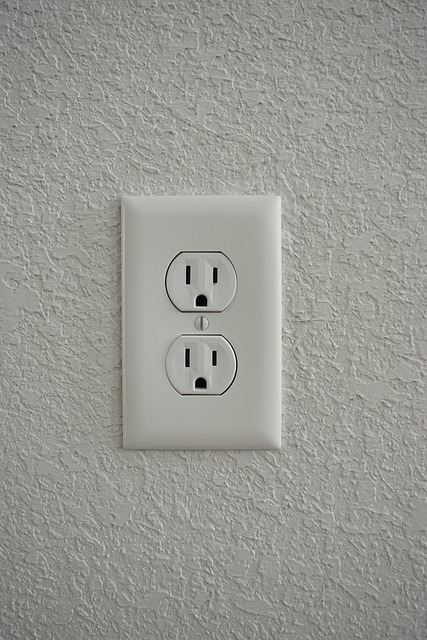
An outlet cover is designed to shield the wiring and energized components inside the electrical box. Although the plate itself does not carry electricity, it creates a barrier between people and the parts that do.
Without that barrier, fingers, furniture, cleaning tools, and other everyday items can come into contact with live electrical connections. Even a hairline crack can expose sharp edges and create openings large enough for curious children, pets, or conductive objects to reach inside.
Shock Hazards in Plain Sight
One of the most immediate concerns with a broken outlet cover is accidental electrical shock. This risk is particularly high in homes with young children, where an exposed outlet may attract attention.
Adults are not immune either. Vacuum attachments, metal picture frames, and even a misplaced screw can bridge exposed components and create a dangerous situation. What appears to be a harmless defect can quickly become a serious safety issue.
Fire Risks Often Go Unnoticed
Damaged outlet covers can also contribute to fire hazards. Dust and debris may enter the electrical box more easily, and exposed wiring is more vulnerable to disturbance.
If the outlet is loose, worn, or already overheating, a missing or broken cover can allow the problem to worsen unnoticed. Discoloration, melting, or scorch marks around an outlet should never be ignored, as these are signs that further evaluation is needed.
Moisture and Everyday Wear
In kitchens, bathrooms, garages, and outdoor locations, outlet covers help reduce exposure to moisture and humidity. A cracked plate provides less protection and increases the likelihood of corrosion or electrical faults.
Even in dry areas, normal bumps from furniture or repeated plugging and unplugging can stress an uncovered outlet and loosen the device inside the box.
An Easy Repair with Important Benefits
Replacing a damaged outlet cover is inexpensive and usually takes only a few minutes. If the outlet itself is loose, warm, or shows signs of wear, the issue may go beyond the cover plate and should be addressed promptly by a qualified electrician.
A Small Detail Worth Taking Seriously
A broken outlet cover may not seem urgent, but it removes a basic layer of electrical protection. Keeping cover plates intact is a simple way to reduce the risk of shock, fire, and accidental contact. Sometimes the smallest components play one of the biggest roles in keeping a home safe.