
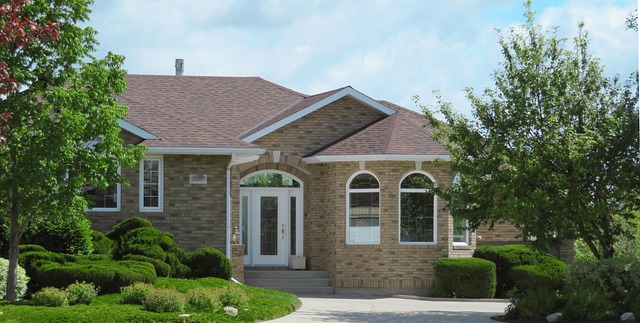
A home doesn’t fail all at once. Instead, it ages quietly, with components wearing down at different speeds. Around the 25-year mark, many houses begin showing predictable signs of fatigue. Knowing what typically wears out can help homeowners plan repairs, avoid surprises, and make smarter maintenance decisions.
Below are the most common areas where time, weather, and everyday use tend to catch up.
1. Roofing Materials Near the Finish Line
Most asphalt shingle roofs are designed for 20 to 30 years under ideal conditions. After 25 years, shingles often show curling, granule loss, and soft spots. In areas with wide temperature swings, high winds, and hail, deterioration may accelerate. Even if leaks aren’t obvious yet, the roof may be operating on borrowed time.
2. HVAC Systems Lose Efficiency and Reliability
Heating and cooling equipment rarely ages gracefully. Furnaces and air conditioners commonly last 15–25 years. By this point, efficiency drops, repairs become more frequent, and replacement parts may be harder to source. Uneven temperatures, rising utility bills, or frequent service calls are strong indicators that replacement should be planned.
3. Plumbing Systems Begin to Show Their Age
After a couple of decades, plumbing issues shift from minor annoyances to structural concerns. Galvanized steel pipes may corrode internally, reducing water pressure and affecting water quality. Older supply lines and shutoff valves can fail without warning. Fixtures may still function, but leaks behind walls or under slabs become more likely with age.
4. Electrical Components Fall Behind Modern Demand
Homes built 25 years ago weren’t designed for today’s electrical load. While wiring itself may still be serviceable, outlets, switches, and breakers often show wear. Panels may be undersized for modern appliances, and older safety standards may no longer be met. Flickering lights or warm outlets shouldn’t be ignored.
5. Windows and Doors Lose Their Seal
Older windows often suffer from failed seals, warped frames, or inefficient glazing. The result is drafts, condensation between panes, and higher energy costs. Entry doors can sag or lose weatherstripping effectiveness, allowing moisture and air infiltration.
6. Exterior Materials Weather the Elements
Siding, trim, and decks take a constant beating from sun, wind, and moisture. Wood components may rot or split. Masonry can crack or settle. Caulking and flashing, often overlooked, typically need renewal long before this age and are frequent sources of water intrusion if neglected.
Planning Ahead Makes the Difference
A 25-year-old home isn’t “worn out,” but it does require a more proactive approach. Budgeting for replacement rather than reactive repair saves money and stress over time. Understanding where failures typically occur allows homeowners to stay ahead of problems—and extend the useful life of the home for decades to come.